A Safari Should Not Feel Like Rush Hour
You may have seen the photographs: a lion surrounded by a wall of safari vehicles, every driver trying to squeeze into the same position.
You may also have watched the video of vehicles blocking wildebeest as they attempted to cross the Mara River. More recently, footage circulated of a safari vehicle going over a steep embankment while apparently rushing to reach a wildlife sighting.
These scenes attract attention online, but they also leave future travellers asking an understandable question:
Is this what going on safari is really like?
It does not have to be—and it is not the kind of safari experience we want for our guests.
A Safari Should Have Space
When I plan an African photography workshop, we think carefully about more than where wildlife can be found. We consider how many vehicles are likely to be there, how sightings are managed and whether our photographers will have enough room to work.
Whenever possible, we prefer private reserves and conservancies.
Private reserves generally have tighter control over the number of vehicles allowed at a sighting. They often restrict access to guests staying on the reserve, reducing the traffic entering from outside. Because fewer vehicles are competing for position, guides can usually approach sightings more patiently and responsibly.
The difference can be significant.
Instead of arriving at a leopard and finding 20 vehicles surrounding it, we may have only one or two other vehicles nearby. Sometimes, we have the sighting entirely to ourselves.
That space is better for the wildlife, better for photography and better for the entire safari experience.
Wildlife Photography Should Not Be a Race
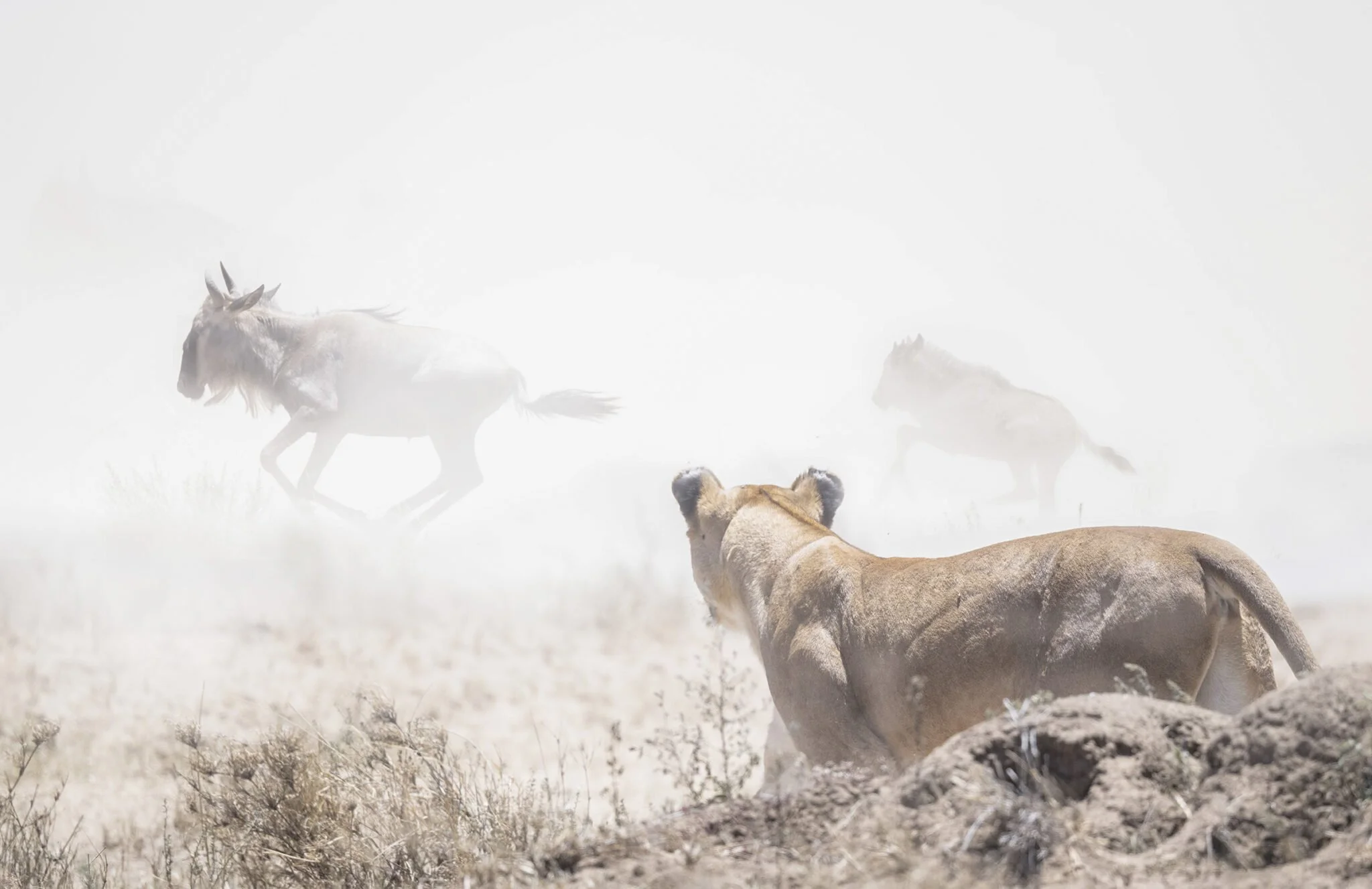
A safari should not be about hearing a radio call and racing across the reserve before every other vehicle gets there.
Fast, aggressive driving creates dust, noise and unnecessary risk. It can disturb wildlife, damage sensitive habitat and turn what should be a quiet encounter into a roadside scrum.
It also rarely produces better photographs.
When vehicles crowd an animal, photographic angles become limited. Backgrounds fill with other trucks. Animals may change direction, stop behaving naturally or leave the area altogether.
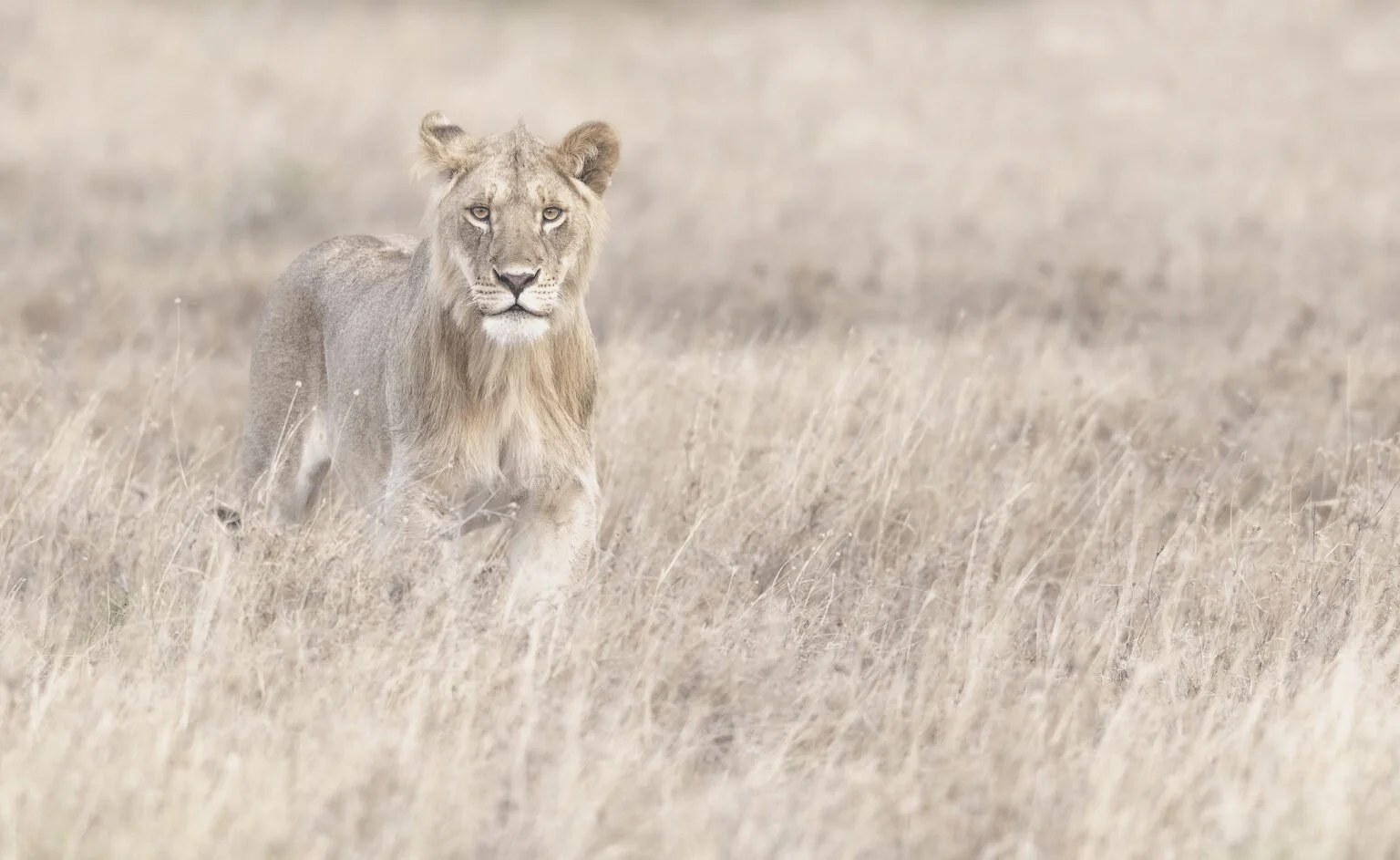
We would rather arrive calmly, position the vehicle thoughtfully and give the animal room. We want to watch what is happening, anticipate behaviour and help our guests create photographs that tell a story.
Sometimes that means staying with an animal after other vehicles have left. Sometimes it means passing a crowded sighting and looking for a quieter opportunity elsewhere.
The goal is not to check another species off a list. The goal is to experience and photograph the moment well.
Respecting the Wildlife Comes First
The widely shared footage of vehicles obstructing wildebeest during a river crossing showed what can happen when the pursuit of photographs takes priority over the animals themselves. Reports described vehicles blocking exit routes and interfering with the herd’s natural movement. Authorities later condemned the behaviour and reportedly took disciplinary action. The Guardian, news.com.au
No photograph is worth preventing an animal from moving freely, separating a mother from her young or placing wildlife, guests and guides at risk.
I work with experienced local guides who understand animal behaviour, respect reserve regulations and know when to give wildlife more space. Their judgment is one of the most important parts of a successful safari.
A good guide does much more than find animals. They read behaviour, anticipate movement, position the vehicle for photography and recognize when it is time to back away.
What We Want Our Safaris to Feel Like
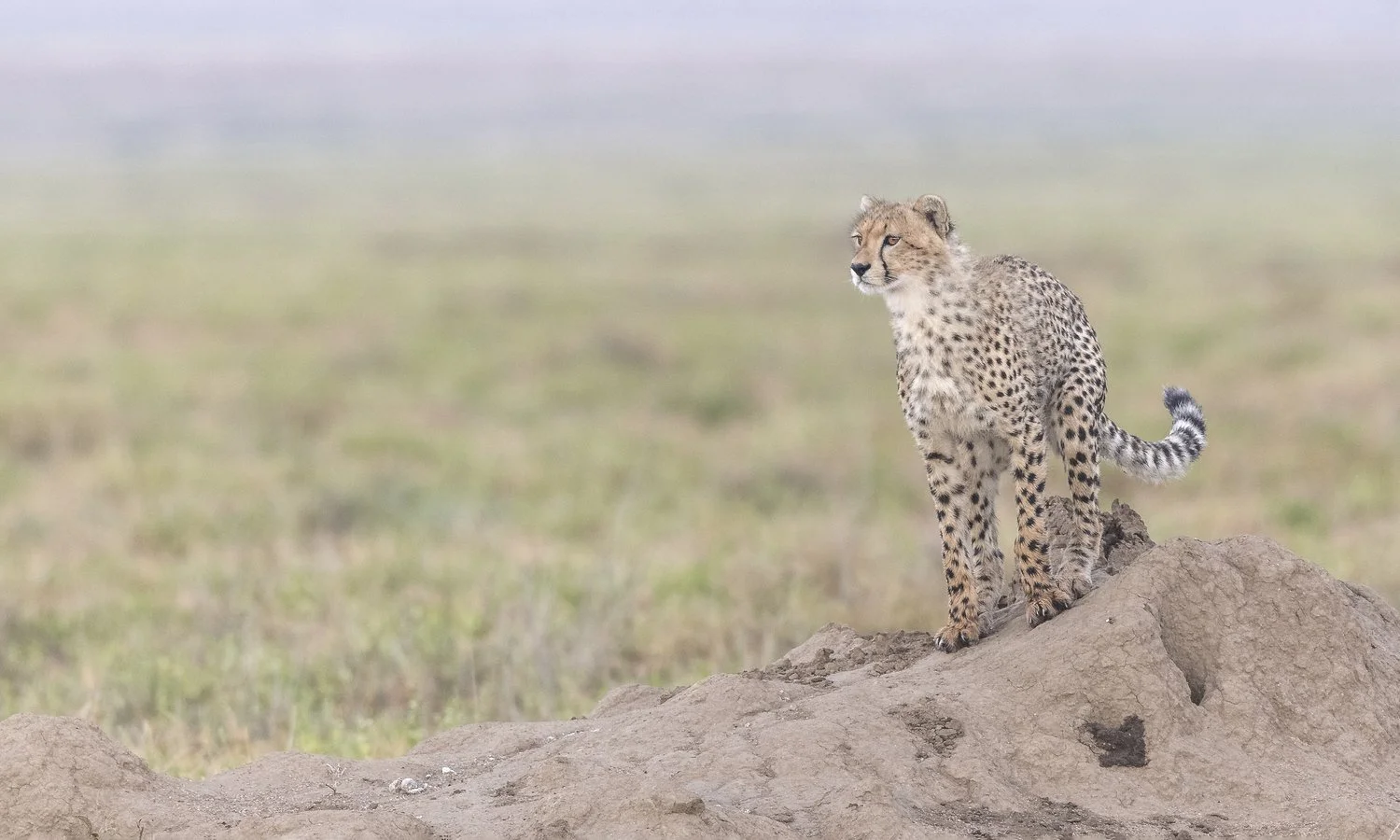
We want a safari to feel unhurried.
We want you to hear the birds, watch elephants move through the landscape and sit quietly as a predator begins to hunt. We want you to have time to study the light, consider your composition and wait for behaviour rather than hurriedly taking a few photographs through a gap between vehicles.
Our small groups also play an important role. We plan our vehicles around photographers, giving each guest the space and visibility needed to work comfortably. Your photographs come before the number of sightings we can claim at the end of the day.
There will be occasions in famous national parks when several vehicles gather around an important sighting. We cannot promise that we will never see another safari vehicle—and we would not pretend otherwise.
What we can control is how we respond.
We can choose experienced guides. We can select private reserves when they offer a better experience. We can avoid joining an unsafe crowd. We can respect the animals and wait for quieter opportunities. Above all, we can refuse to treat wildlife photography like a race.
Africa’s wild places deserve better than wildlife spotting in rush-hour traffic.
So do the people who have travelled halfway around the world to experience them.
A safari should leave you with photographs you are proud of, but it should also leave you remembering the silence, the space and the privilege of watching wild animals on their terms.
That is the kind of safari I want to lead. You can see my safaris in Africa here.