My Approach to African Photography Safaris: Your Photographs Come First
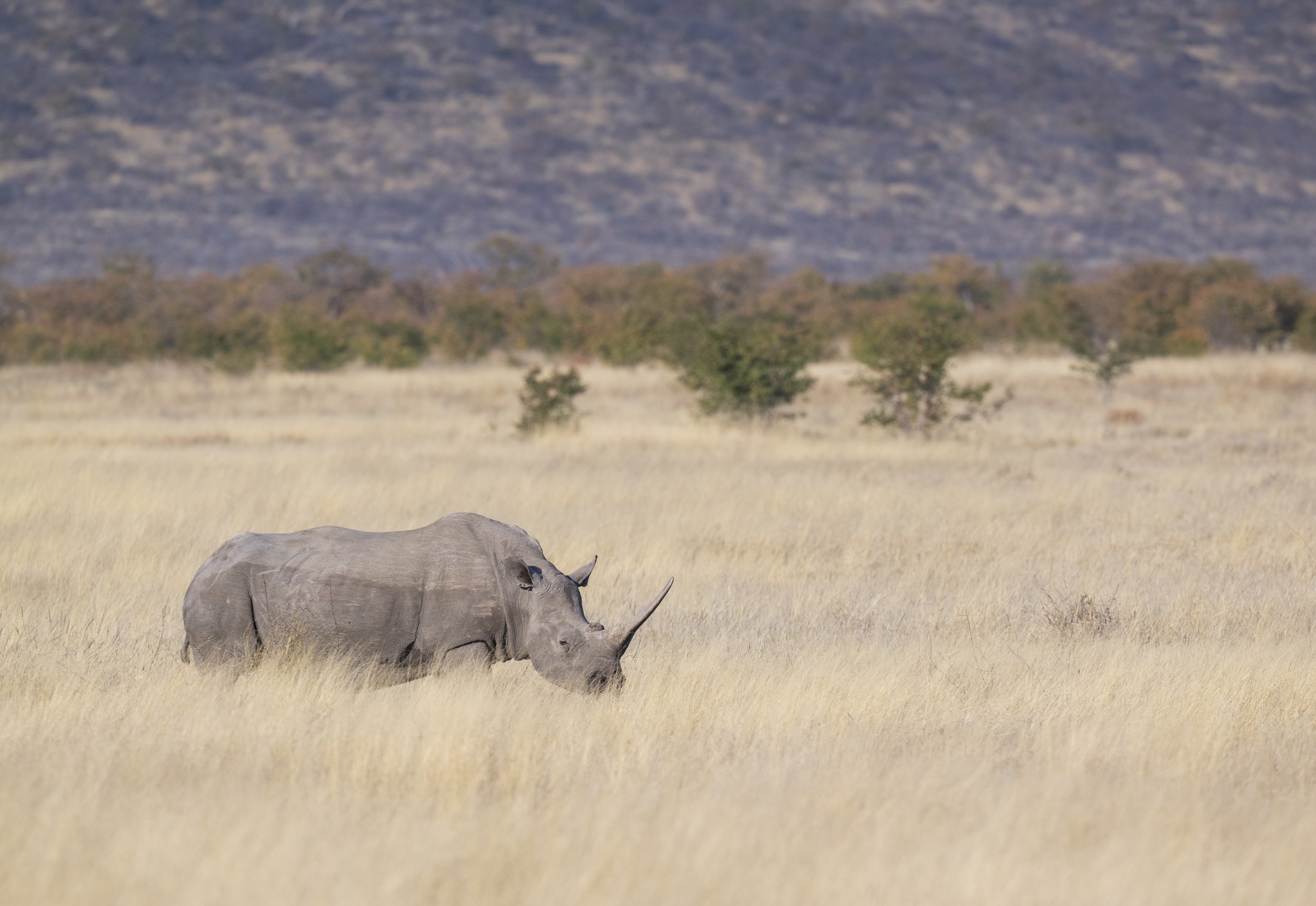
There is a difference between coming home from Africa with photographs of animals and coming home with photographs that say something about the animals.
An elephant surrounded by its landscape. A quiet moment between a mother and her calf. Dust catching the evening light as a herd moves towards water. These photographs take observation, patience and an understanding of what might happen next.
That is what I build my photography safaris around.
After more than a decade leading safaris in Africa and over 125 photography workshops worldwide, I have learned that the quality of a workshop depends on much more than where we go. It depends on how we spend our time, who we work with, how much room you have to photograph and whether you receive the help you need when it matters.
Above all, it depends on whose photographs come first. On my workshops, yours do.
Who I design my safaris for
Many of the photographers who join me have already been to Africa. They have experienced the excitement of their first elephant sighting and photographed lions resting in the grass. They want to return with a different purpose.
They want quality over quantity. More time with an interesting subject. Better opportunities to work with light and backgrounds. A deeper understanding of the wildlife in front of them.
They also want to learn more than camera settings. Why is an animal behaving that way? What should we watch for? Is this a moment to keep photographing, or a time to sit quietly and let the encounter develop?
Those are the photographers I have in mind when I design a safari.
You do not need to be an expert, own the most expensive equipment or have visited Africa before. Curiosity and a willingness to learn matter much more. If you enjoy spending time with wildlife and want to become more thoughtful about how you photograph it, you will fit in well.
Why I often choose private reserves
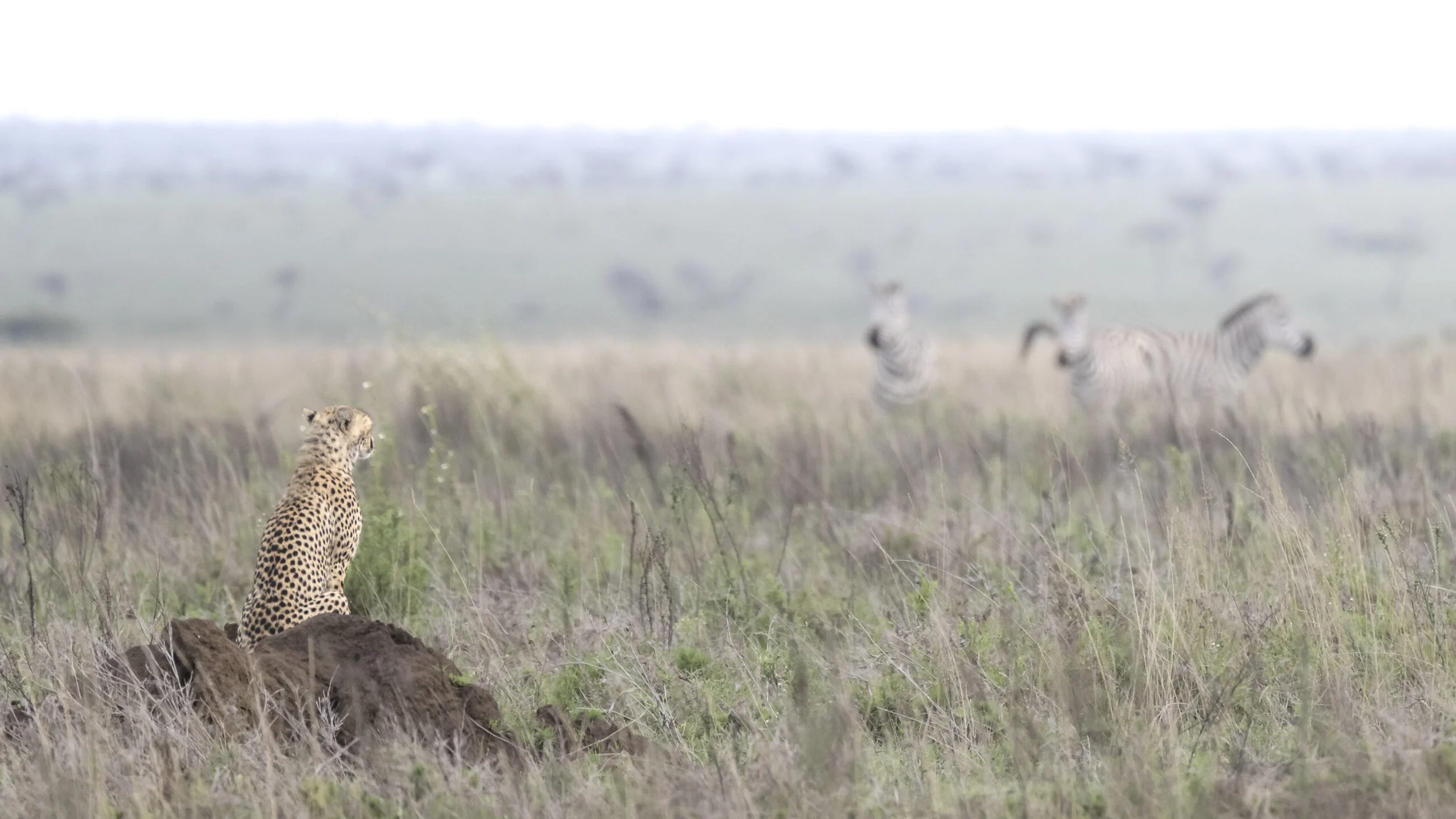
I regularly favour carefully selected private reserves because they can offer the conditions I value most: fewer vehicles, time at sightings and opportunities to photograph without feeling rushed.
Africa’s larger national parks have an important place in my itineraries too. My choice comes down to the experience a particular location can offer our group.
On a well-managed private reserve, limits on access and vehicle numbers can make a considerable difference. We can spend more time observing, discuss a composition and work with our guide on positioning where conditions and reserve rules allow.
A safari should give you room to breathe. You should be able to hear the bush, watch an animal settle and enjoy being there.
Private does not mean captive
This distinction matters.
On many private reserves, wildlife ranges across thousands, sometimes tens of thousands, of acres. Animals hunt, breed, compete for territory and respond to the seasons. Ongava in Namibia, for example, protects a large landscape that supports free-ranging wildlife and is being expanded to provide more habitat. Read about Ongava’s conservation landscape.
Some reserves are fenced. Fences restrict movement and require responsible management, but a boundary fence alone does not tell you how animals live or how tourism operates inside it. A large wildlife reserve and a captive wildlife attraction are very different experiences.
I look for places where we can observe wild animals behaving naturally. I do not want animals brought out, handled or encouraged to perform for our cameras.
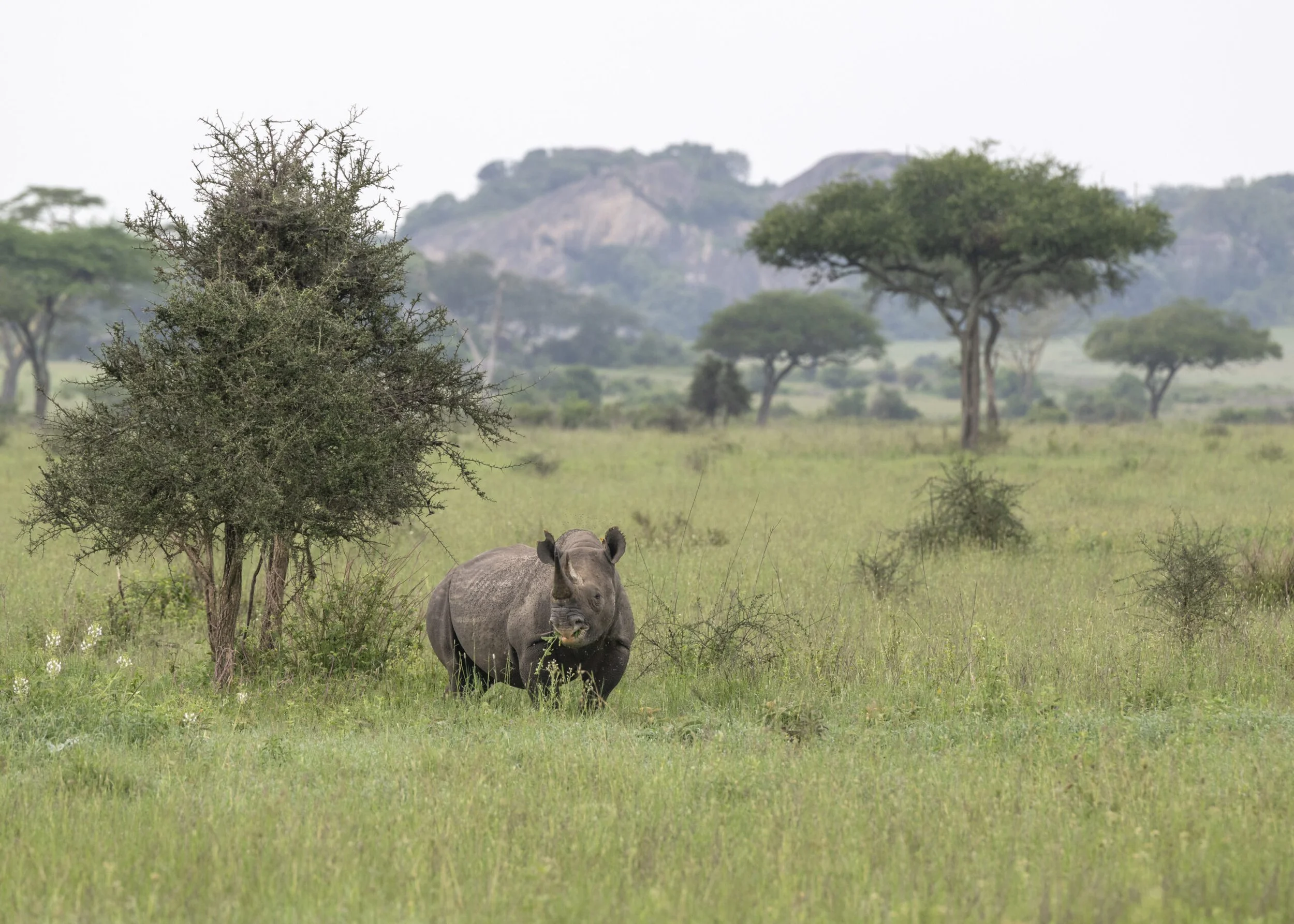
Good private reserves can also contribute to habitat protection, research and anti-poaching work. Ongava’s rhino monitoring and protection programmes are one example of that role. Learn about Ongava’s rhino conservation.
Our role as photographers are to observe the encounter and respect the animal.
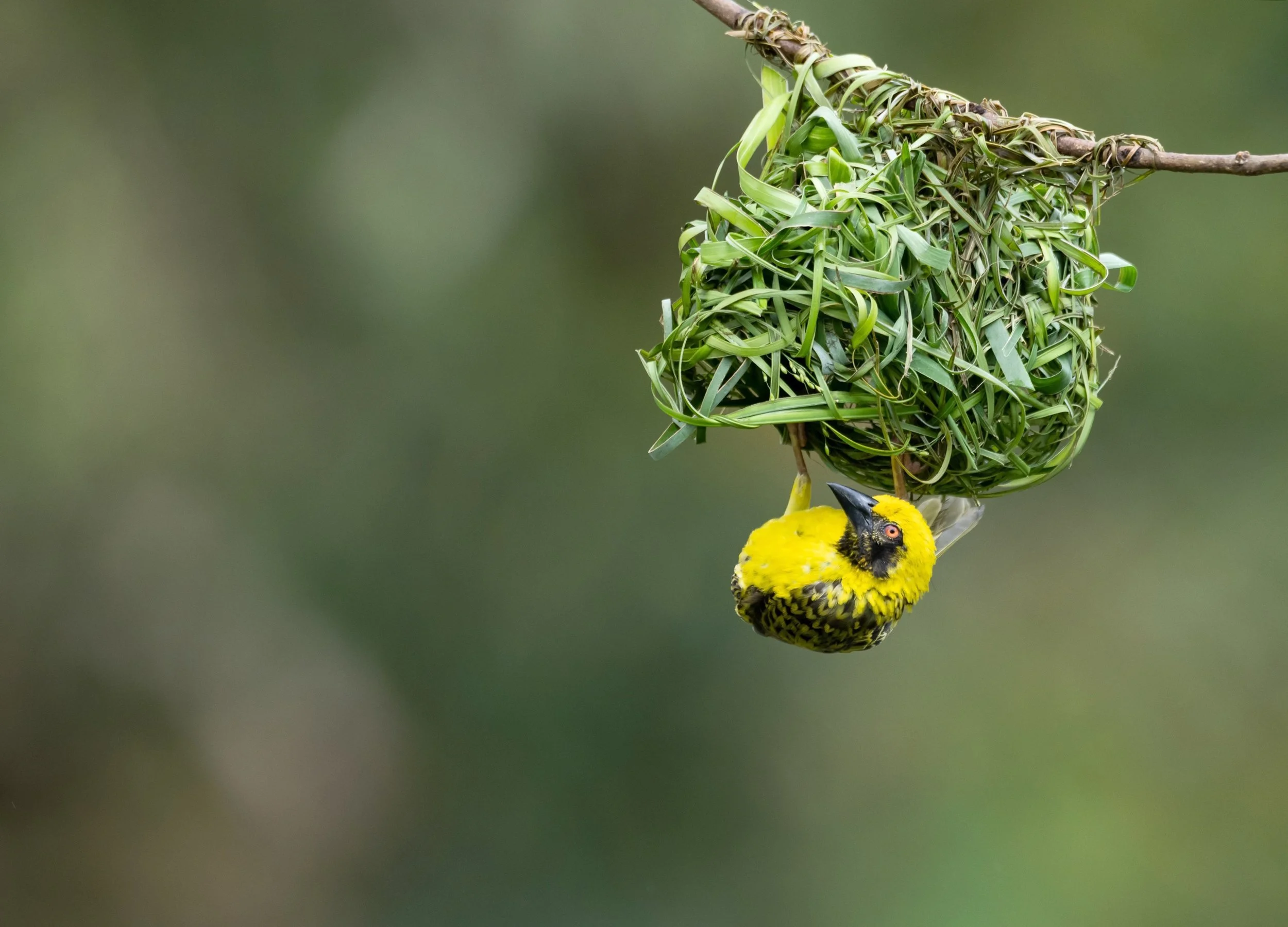
Small groups make better learning possible
Group size affects almost every part of a photography safari.
I prefer vehicle arrangements where each photographer has their own row, with clear views on both sides. You need space to handle a long lens, reach another camera and change your shooting angle as the encounter develops.
You should not have to negotiate an elbow treaty every time an elephant changes direction.
Small groups also allow me to understand what each person needs. One photographer may be working on autofocus. Another may be technically confident but struggling to move beyond tight portraits. Someone else may want help anticipating action.
The instruction should respond to those individual goals. Having fewer people gives us the time to do that properly.
What I will teach you in the field
Camera skills matter, but they are only part of making a stronger wildlife photograph. Throughout the safari, we work on connecting technique with observation and intention.
Understanding animal behaviour. Alongside our local guides, we look at feeding habits, social interactions, posture and movement. You begin recognising clues that may help you prepare for a photograph, while also understanding when an animal needs more space.
Preparing your camera before the moment happens. We work on autofocus, shutter speed, aperture, exposure compensation and ISO so you can respond confidently when a quiet scene becomes active.
Seeing light and backgrounds. We consider the direction of light, distracting elements, separation and shooting angle. Sometimes a small change in position makes more difference than a longer lens.
Creating photographs that tell a story. I teach you to move between close portraits, behaviour, details and wider environmental images. An animal’s surroundings can be an essential part of the photograph.
Recognising when to stay. Patience is a photographic skill. We discuss what makes an encounter worth spending time with and how to keep finding compositions while we wait.
Learning from your images. Reviews and editing discussions help you understand what worked, what could improve and what to try during our next session.
The goal is to help you make those decisions independently, long after the workshop ends.
Different perspectives, chosen with purpose
Traditional game drives remain an important part of my safaris, but I also look for opportunities that broaden what we can photograph and learn.
Depending on the itinerary, that might include a hide overlooking a waterhole, night photography, a guided walking safari or a helicopter flight.
Each offers a different perspective. A hide can bring us closer to water level. Night photography introduces different technical challenges. Walking with qualified guides builds awareness of tracks, habitat and the smaller details we easily miss from a vehicle. A helicopter can reveal the relationship between wildlife and the wider landscape.
These experiences vary by destination. I choose them for what they contribute to the workshop and your photographs.
My job is to help you get the photograph
When the light comes together and something happens, you should be able to ask for help and receive it.
I may make photographs during a workshop, but my camera can wait. If you are struggling with focus, unsure about exposure or overlooking a composition, that is where my attention belongs.
I cannot promise what wild animals will do. What I can do is bring experience, preparation, trusted local relationships and a commitment to making the most of the opportunities we have.
Over the years, I have built a strong repeat clientele. Having photographers return is something I value deeply. It means they trust me with another journey, and I take that responsibility seriously.
I want you to leave Africa with photographs you are proud of, a better understanding of the animals you encountered and the confidence to approach your next opportunity with purpose.
If that sounds like the safari you have been looking for, explore the African photography workshops offered through Akari Photo Tours, the company I co-founded, and get in touch. We can talk about which of the safaris I lead best fits your interests and what you want to learn.