China Wildlife Photography: Red Pandas, Golden Monkeys, and a Different Kind of Adventure
If China has been on your travel list, there is a good chance the Great Wall is part of the reason. For wildlife photographers, I would add a mountain forest, a quiet bird hide, and the possibility of a red panda appearing among the branches.
Our China Wildlife and Culture Photo Workshop brings those experiences together.
This 16-day journey begins with some of China’s historic landmarks before turning its attention to Sichuan’s wildlife. We search for wild red pandas, photograph golden snub-nosed monkeys, spend time in bird hides, explore Tangjiahe, and visit a giant panda breeding and research centre.
With six participants, there is room for individual instruction and conversations about the photographs you want to make.
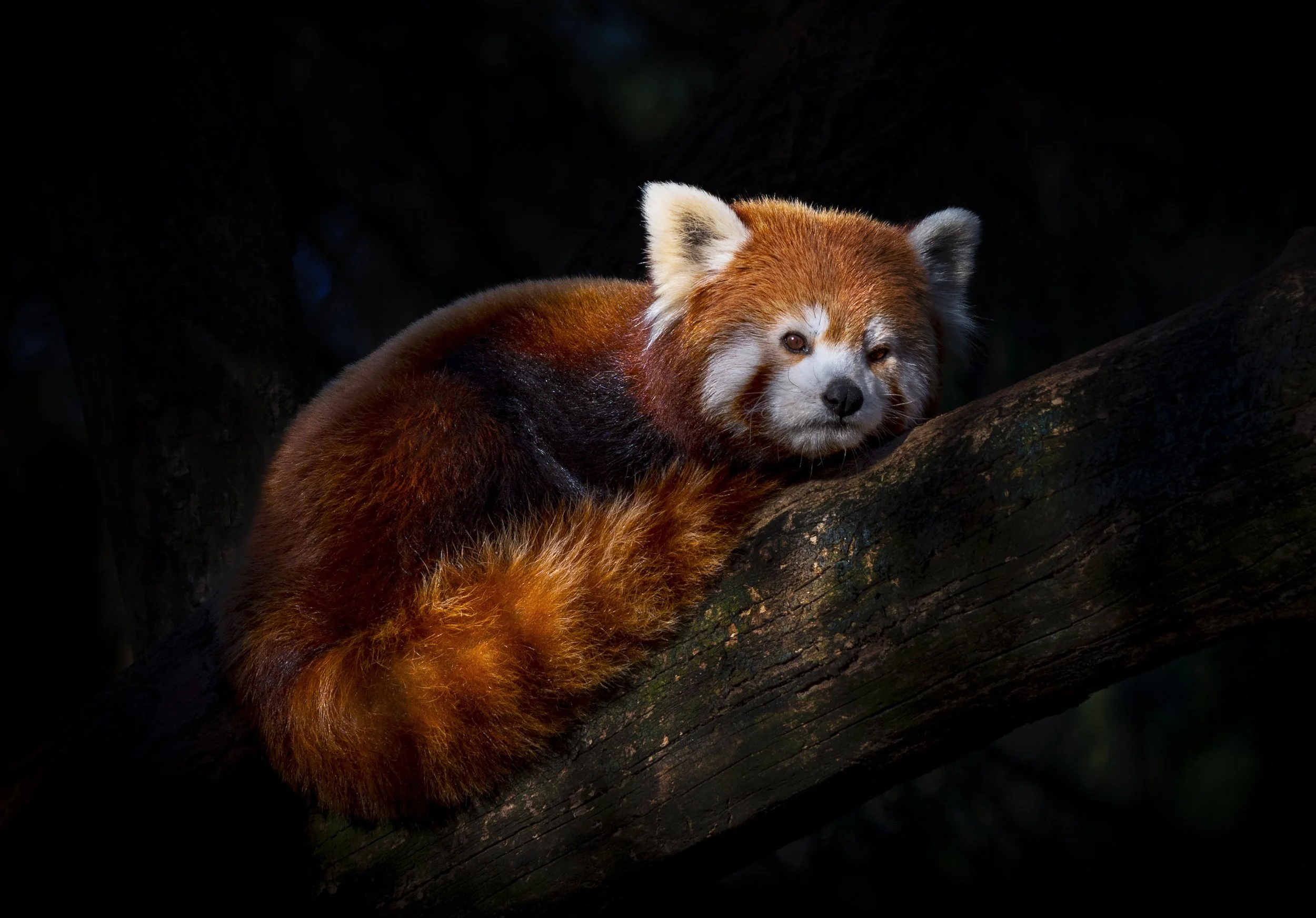
Search for wild red pandas at Mount Wawushan
At Mount Wawushan, we spend time in mountain forest habitat searching for wild red pandas with our local guide.
This is a search, and sightings are not guaranteed. We have a full day and a further morning planned at Wawushan, giving us more than one opportunity to respond to wildlife activity and conditions.
For photographers, the challenge goes beyond finding the animal. Branches can interrupt your view. Bright openings in the canopy can pull attention away from your subject. A brief turn of the head may make the difference between an obscured face and a clear portrait.
I will help you prepare for those moments: choosing a useful autofocus setup, keeping enough shutter speed for movement, and watching for cleaner backgrounds.
Sometimes the best decision is to stay ready and let the animal move into a better position. Patience earns its place in the camera bag.
Look for behaviour with golden snub-nosed monkeys
Our itinerary includes a dedicated golden snub-nosed monkey photography session.
Their faces make compelling portraits, but I also want you watching what happens between individuals. Youngsters playing, animals gathered together, and brief exchanges can give a photograph a story.
That means thinking beyond how tightly you can frame a face. If an interaction begins, a slightly wider composition may show more of what matters. If a subject becomes active, your shutter speed needs to be ready before the movement peaks.
We will work on recognising those changes and responding with purpose. A sharp photograph is a good start. A sharp photograph that holds a moment is what we are aiming for.
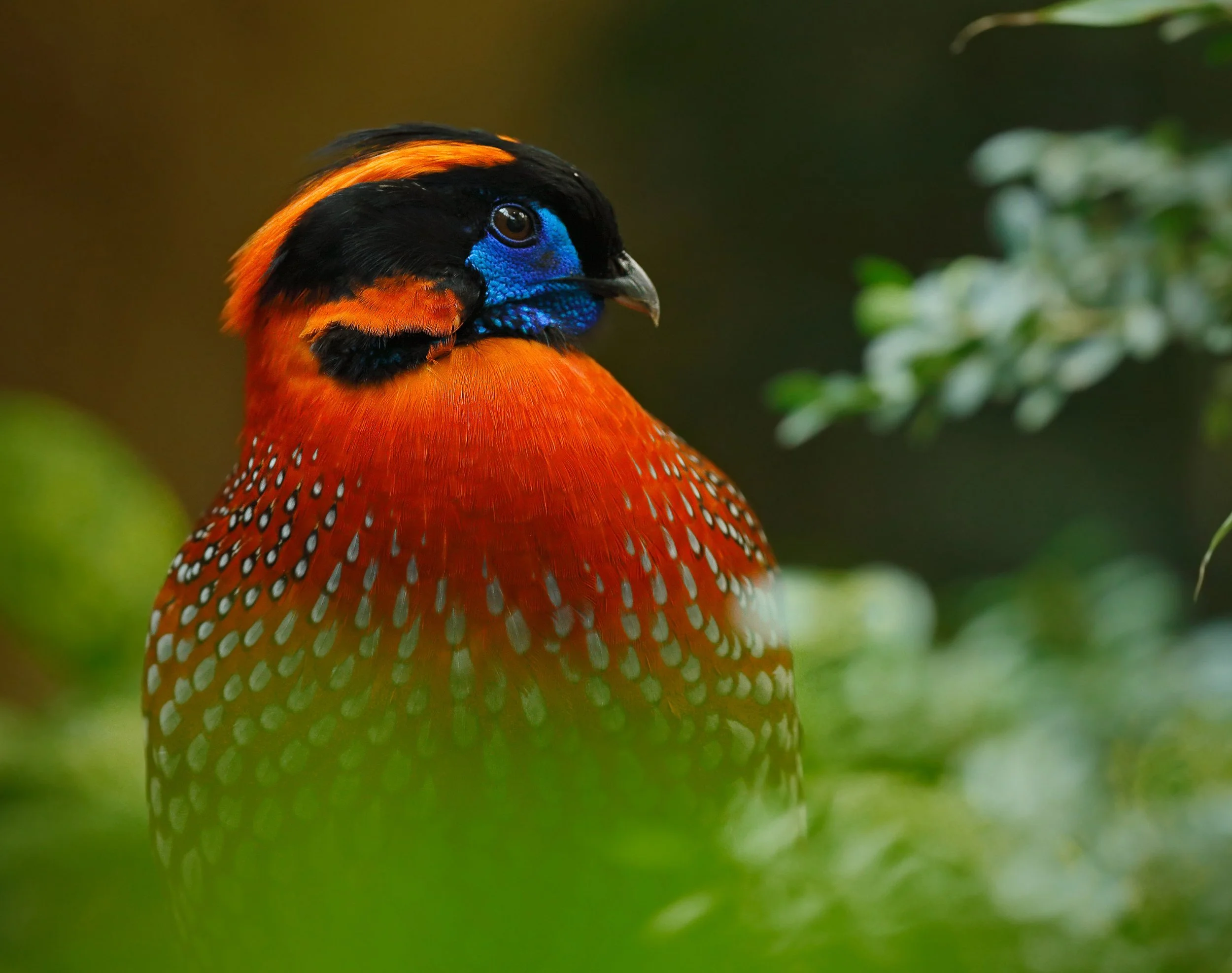
Spend time with Sichuan’s pheasants and forest birds
Dedicated photography hides around Pingshan provide opportunities for birds such as Lady Amherst’s Pheasant, Silver Pheasant, Temminck’s Tragopan, and several partridge species. Golden Pheasants are another target later in the itinerary, depending on recent activity.
These are target species, rather than a promised checklist.
Hide photography gives us time to study the scene before a bird appears. We can assess the light, identify distracting backgrounds, and prepare our exposure and focus settings.
When something steps into view, the lesson becomes timing. A clear head angle, a pause between steps, or a small shift away from a branch can improve the photograph considerably.
Quiet periods belong to the experience too. We use them to prepare, so the first appearance does not become a frantic search through camera menus.
Explore Tangjiahe and photograph giant pandas in a managed setting
In Tangjiahe, we stay inside the reserve and have two full days planned for wildlife exploration. Potential subjects include takin, Tibetan macaques, goral, serow, muntjac, and other forest animals.
Our approach combines driving, walking, and observation. Local knowledge helps us decide where to spend time, while recent sightings and conditions shape the day.
The giant panda photography session takes place separately, at a breeding and research centre. It offers a more dependable opportunity to photograph pandas than searching for them in the wild.
That distinction matters. You should know what kind of encounter you are booking.
Within the centre’s viewing areas, we will still pay attention to expression, posture, light, and backgrounds. The setting changes; the care we put into the photograph does not.
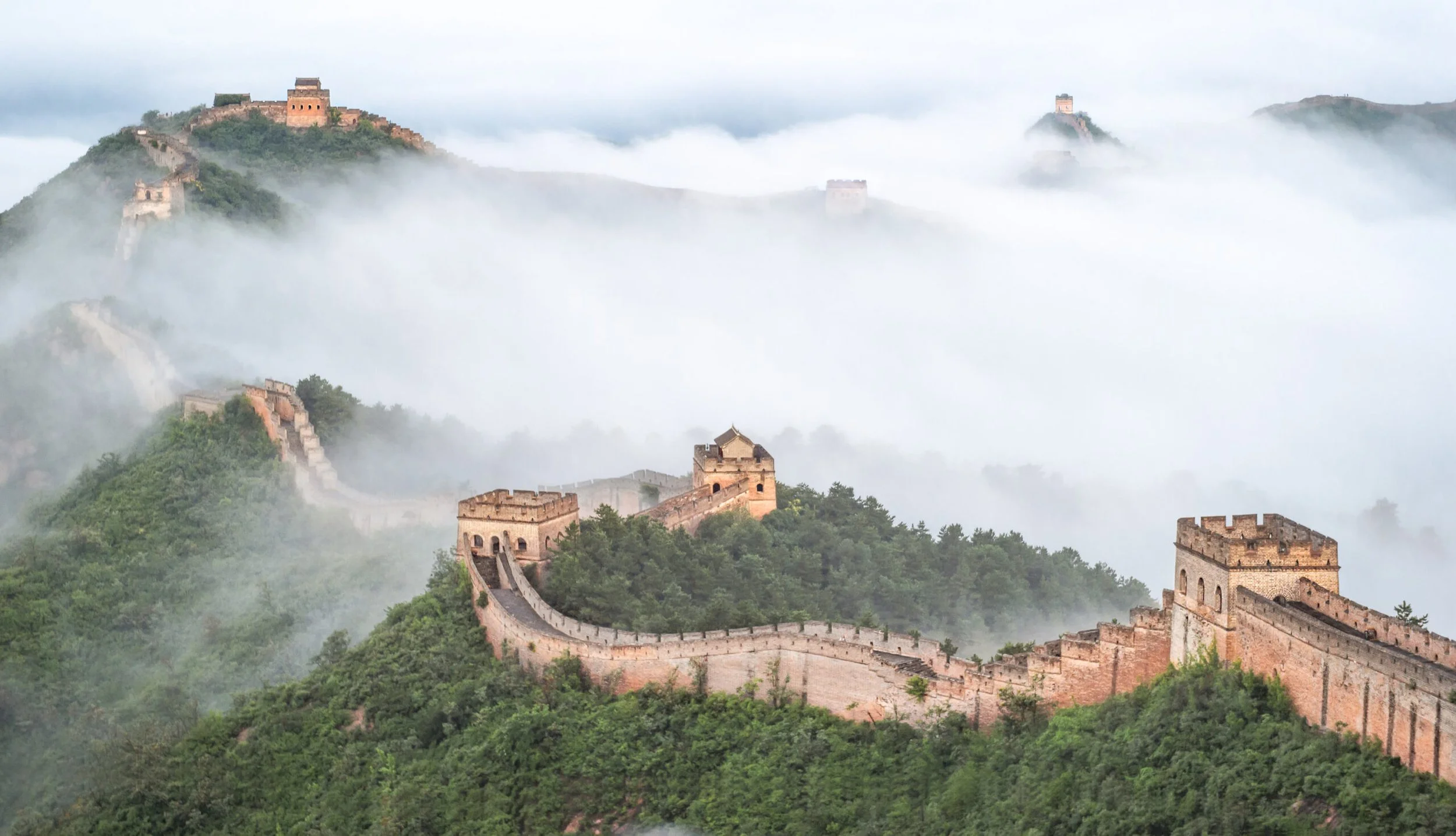
Make room for the Great Wall and China’s history
Before the wildlife portion, we photograph the Great Wall at Jinshanling, visit Beijing’s imperial landmarks, and travel to Xi’an for the Terracotta Warriors.
These visits add context and variety to the journey. You can build a collection that includes wildlife portraits, animals in their habitat, architecture, and a sense of the country we have travelled through.
They also stretch your photographic skills. Composing a view along the Great Wall and photographing a monkey in forest light require different settings, but both reward attention to light, background, and timing.
Join a workshop built around helping you improve
My travels in China began in 2016. On this journey, I bring that experience together with local guides and practical photography instruction.
Before departure, we can discuss your equipment and goals during your personal consultation. In the field, I will help you make decisions while the opportunity is in front of you. Image reviews give us another chance to see what is working and what to adjust.
You should be comfortable with forest trails, uneven ground, and stairs while carrying your equipment. The monkey photography area involves an uphill walk with boardwalk stairs, and the Great Wall also requires confident footing.
If you enjoy wildlife photography, are willing to be patient, and want to experience a different range of subjects, I would love to have you join me.
Come for the animals you have imagined photographing. Leave with a better understanding of how to photograph whatever appears next.