Are Photography Workshops Worth It? What You're Really Paying For
I've been leading photography workshops since 2012, and one of the questions photographers sometimes ask is a pretty reasonable one:
Are photography workshops really worth the money?
After all, you can book a hotel yourself. You can rent a car. You can research locations online. You can watch videos about camera settings, download maps and figure out where sunrise will happen.
And if you've been photographing for years, you may not need someone standing beside you explaining aperture or shutter speed.
So why spend thousands of dollars joining a photography workshop?
The answer isn't as simple as you'll become a better photographer.
A good photography workshop should give you something much more valuable.
It should improve your chances of being in the right place, at the right time, under the right conditions—and prepared when the photograph happens.
That's what you're really paying for.
A Photography Workshop Isn't Just Photography Instruction
I think this is one of the biggest misconceptions about photography workshops.
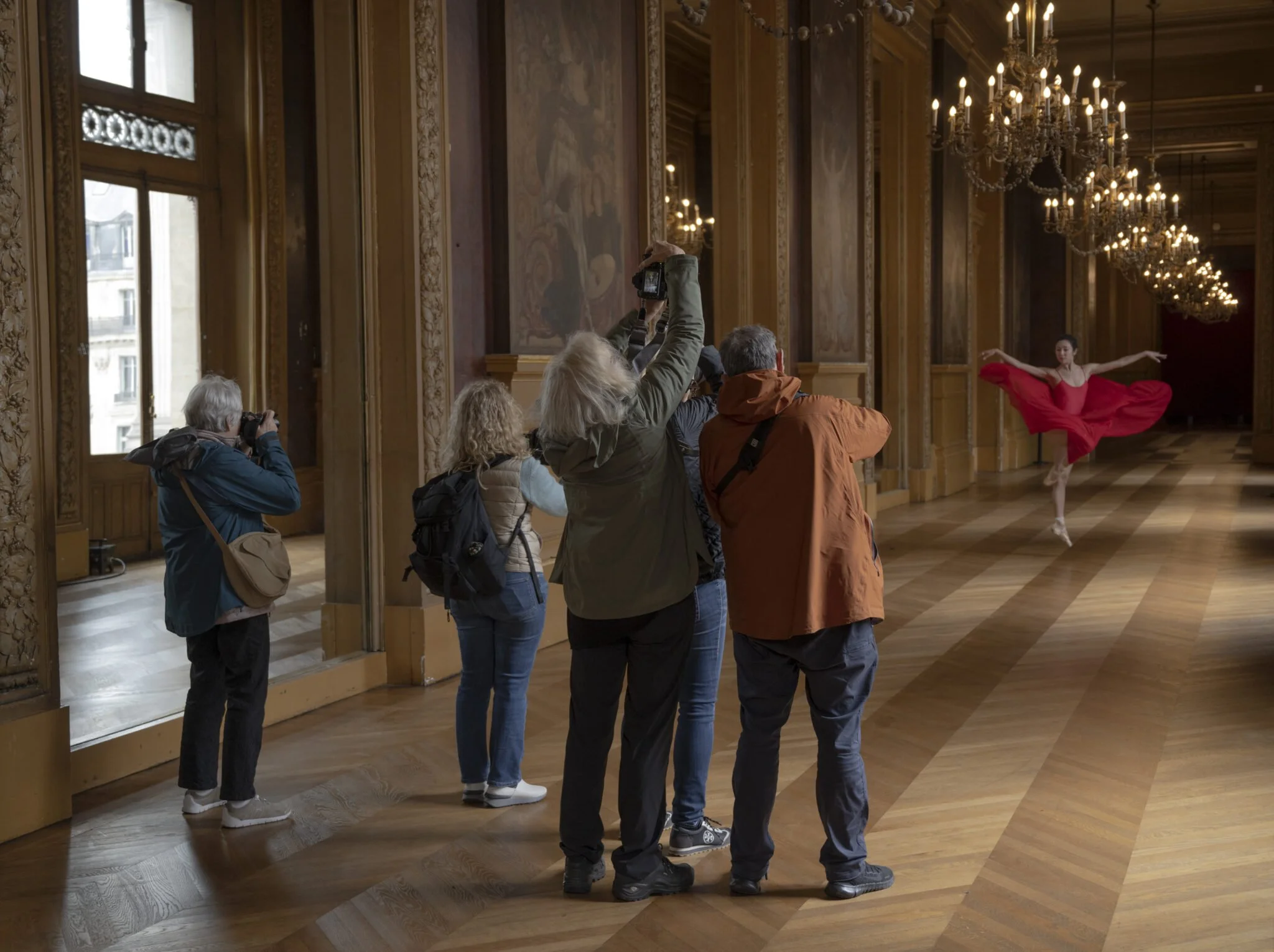
People sometimes assume workshops are primarily for beginners who need help learning their cameras.
That's simply not true.
I've had photographers join me who were relatively new to photography. I've also travelled with very accomplished photographers who know their cameras as well as—or better than—I know mine.
They're not joining because they need someone to tell them what ISO means.
They're joining because they want access to locations and opportunities that can be difficult to arrange independently. They want experienced local guides. They want logistics designed around photography. They want someone who understands the destination.
And sometimes they simply want another experienced photographer standing beside them when something interesting is happening.
Photography instruction is certainly part of a good workshop.
But it is only part of what you're paying for.
You're Paying for Experience
This is probably the biggest one for me.
There is an enormous difference between researching a location and knowing it.
I've been travelling to Mongolia since 2012. I've returned to Namibia many times. I've been leading photographers in Africa since 2013.
Every trip teaches me something.
Where does the morning light fall?
How crowded will a location be?
What time should we arrive?
Where should the vehicle be positioned?
What happens if the weather changes?
Which local guide understands what photographers need?
Which hotel makes sense photographically rather than simply looking good online?
When should we stay rather than move on?
You don't learn all of that from Google Maps.
You learn it by being there.
Sometimes you learn it because you made the wrong decision five years ago and promised yourself you'd never make it again.
That's part of what an experienced workshop leader should bring to the table.
You're benefiting from all the previous trips that happened before yours.
You're Paying for Time in the Right Place
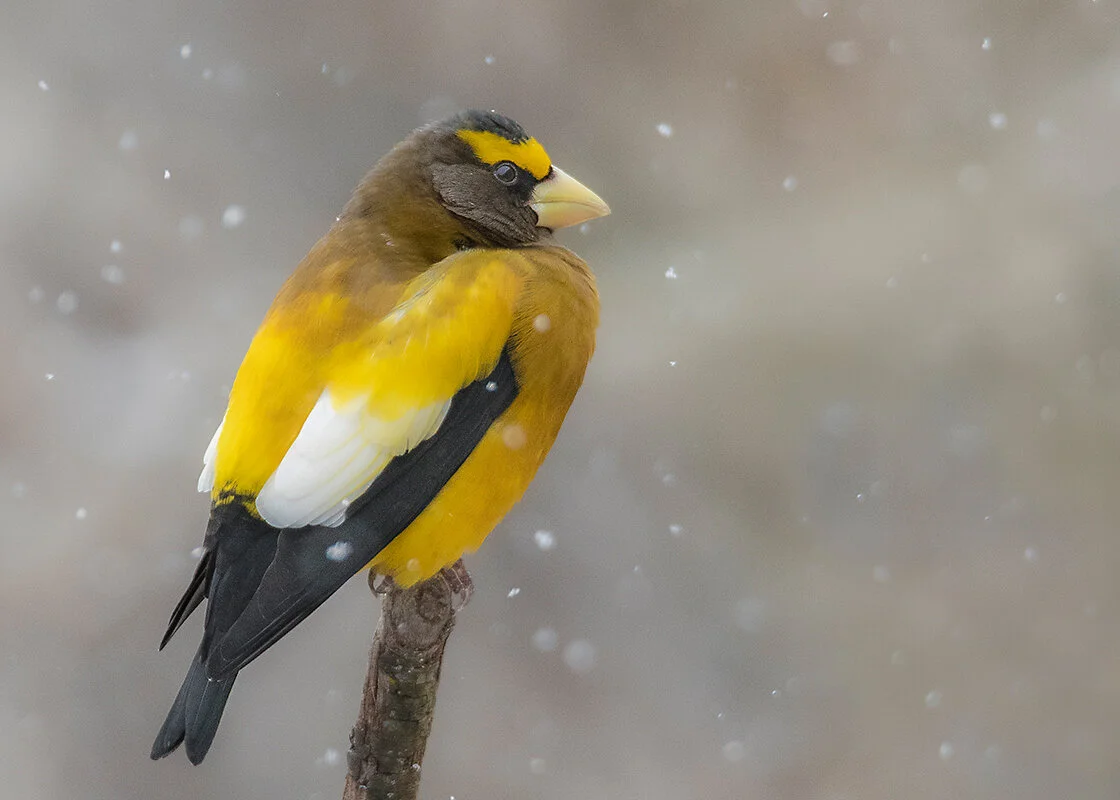
A regular sightseeing tour and a photography workshop can visit exactly the same location and produce completely different experiences.
A sightseeing group might arrive at a beautiful location at 10:30 in the morning.
Photographers may need to be standing there at 5:30.
A regular safari vehicle may leave a sleeping leopard because someone on the vehicle hasn't seen a giraffe yet.
A vehicle full of photographers may stay with that leopard because we know the situation could change.
I've watched other vehicles drive away from apparently inactive wildlife while we've stayed behind.
Sometimes nothing happens.
That's wildlife photography.
But sometimes the animal gets up, starts hunting, interacts with another animal or walks directly into beautiful light.
Those are often the photographs people remember.
Photography rewards patience.
A good photography workshop should be designed to give you that patience.
You're Paying for Access
This can be one of the hardest things to recreate on your own.
Over the years, some of my favourite photographic experiences have happened because of relationships and access.
Private properties.
Photographic hides.
Local families.
Special permits.
Private vehicles.
Boats arranged specifically for photographers.
Locations we've scouted ahead of time.
People we've worked with for years.
In Mongolia, long-standing relationships with eagle hunter families can create experiences that are very different from simply arriving with a camera.
In Africa, having a private safari vehicle means we can make decisions based on photography instead of satisfying six different tourists with six different priorities.
Access doesn't guarantee a great photograph.
But it can dramatically improve the opportunity to create one.
You're Paying for Better Logistics
This isn't the glamorous part of photography workshops.
But it matters.
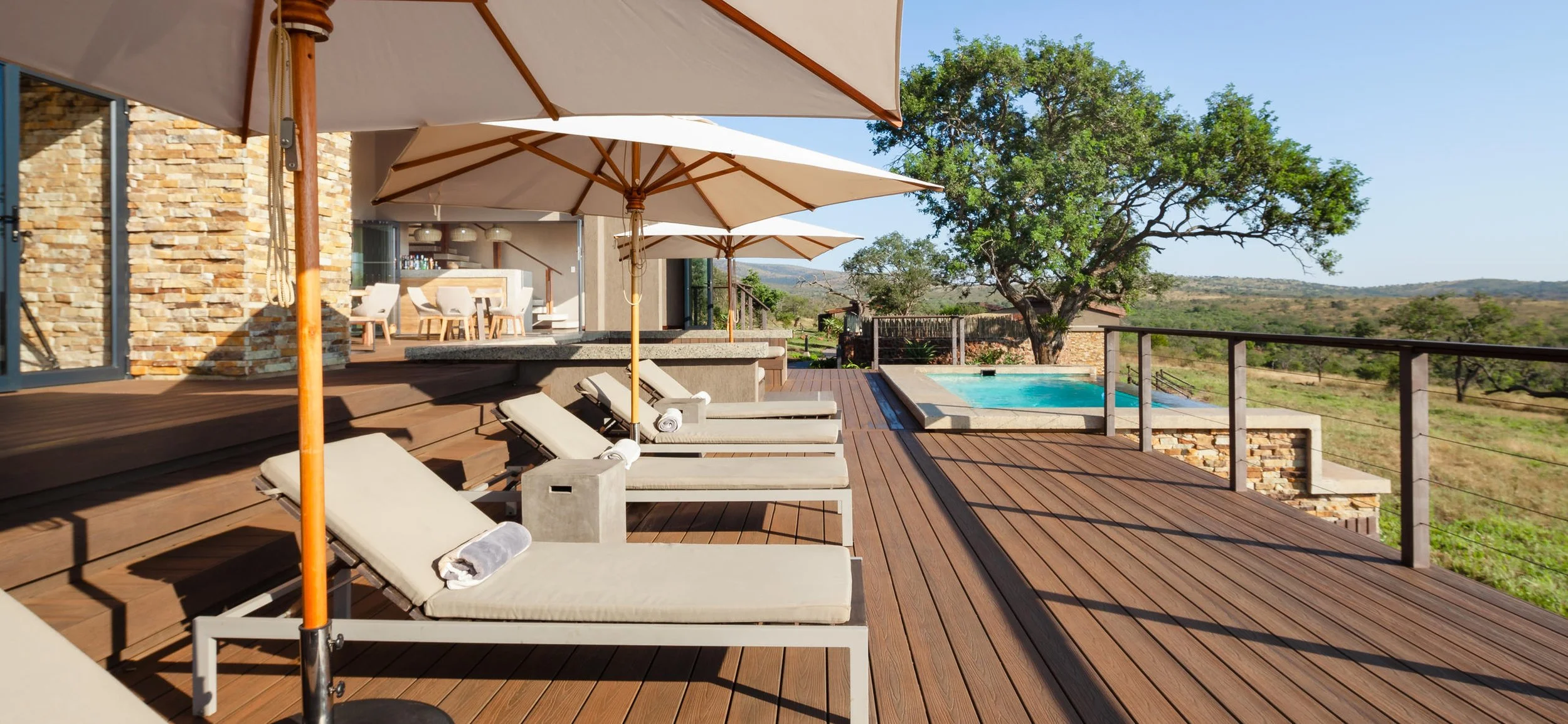
A complicated photography trip can involve hotels, internal flights, permits, vehicles, boats, local guides, baggage restrictions, park access, meals, border crossings and constantly changing conditions.
You can organize all of that yourself.
I have.
And sometimes you should.
But there's something wonderful about arriving in a destination knowing someone else has already thought through the logistics.
Your job becomes much simpler:
Get up. Grab your camera. Go make photographs.
Good logistics also affect photography.
Where we sleep determines how quickly we can reach a location.
Vehicle configuration determines whether photographers can move.
Boat size determines shooting positions.
Departure times determine light.
Group size determines how many tripods are competing for the same composition.
These aren't simply travel decisions.
They're photography decisions.
You're Paying for Someone to Notice What You Don't
This becomes especially valuable once you already know your camera.
Experienced photographers can fall into routines.
I certainly do.
Sometimes we're so concentrated on the obvious subject that we stop looking around.
Maybe everyone is photographing a lion with a long lens while there's a beautiful environmental composition developing with a shorter lens.
Maybe the background would improve if you moved three feet.
Maybe you're at 1/500 second when the animal's behaviour suggests you're about to need 1/2000.
Maybe you're photographing what is happening instead of preparing for what is about to happen.
A good workshop leader isn't there to constantly tell you what to do.
They're there to notice.
Sometimes all I need to say is:
"Look behind you."
And suddenly there's a completely different photograph.

You're Paying for Teaching When It Actually Matters
You can learn an extraordinary amount about photography online.
There has never been more free information available.
But watching a video about photographing birds in flight while sitting at home is different from having a bird flying directly toward you.
That's when teaching becomes useful.
The light has changed.
The bird is coming.
Your shutter speed isn't fast enough.
Your autofocus isn't behaving the way you expected.
You have seconds.
That is when having someone beside you can make a difference.
I prefer teaching in the field because we can solve problems while the photographer still has an opportunity to make the photograph.
Later, we can look at the images together and understand what worked.
Then the next morning, you get another chance.
That cycle—photograph, review, adjust, try again—is one of the fastest ways I've seen photographers improve.
You're Paying for a Smaller Group—Or At Least You Should Be
This is something I've become increasingly opinionated about after years of leading workshops.
Group size matters.
A workshop may advertise two instructors for ten photographers and make that sound like a great instructor-to-client ratio.
But if all ten photographers are standing in the same small room at Kolmanskop when beautiful light starts coming through a doorway, you still have ten photographers trying to make the same photograph.
The same applies to safari vehicles, wildlife hides, boats, narrow trails and night-sky locations.
I'd rather think about the number of photographers sharing the photographic space.
Can everyone get a good position?
Can people move?
Can tripods be repositioned?
Can the vehicle turn so everyone gets an angle?
Does everyone have access to the instructor?
These questions matter.
Sometimes smaller groups cost more.
But when you've already spent thousands of dollars getting halfway around the world, having enough room to actually make the photograph seems like a pretty sensible place to spend the money.

You're Also Paying for the Local Team
The workshop leader gets much of the attention.
But some of the most important people on a photography workshop are the people who live there.
I've worked with local guides around the world who have extraordinary knowledge.
They know where animals have been seen.
They understand behaviour.
They know the roads.
They know communities.
They understand weather patterns.
They have relationships we could never recreate by arriving once a year.
A good workshop company doesn't simply hire whoever happens to be available.
It builds relationships with great local people and keeps working with them.
When I'm evaluating a photography workshop myself, I'd want to know as much about the local team as I do about the photographer whose name appears on the website.
But Are Photography Workshops Always Worth It?
No.
And I think it's important to say that.
If you enjoy travelling completely independently, love researching every logistical detail and don't particularly want instruction or a group environment, you may be happier travelling on your own.
A workshop also isn't worth the money simply because a famous photographer is leading it.
Before spending thousands of dollars, I'd ask some questions.
How many photographers are actually on the trip?
Has the leader been to the destination before?
How much time will they spend teaching?
Are vehicles private?
How many photographers are in each vehicle?
Are locations scouted?
Who are the local guides?
Is the itinerary genuinely designed for photography?
What happens when conditions change?
Will the leader be concentrating on your photographs—or their own?
And perhaps most importantly:
Do previous clients come back and travel with them again?
Repeat clients tell you a lot.
What About Experienced Photographers?
I think experienced photographers sometimes get even more value from the right workshop.
They usually don't need constant technical instruction.
Instead, they value efficiency.
They want to spend their limited travel time photographing rather than solving logistics.
They appreciate good access.
They recognize the value of local knowledge.
They want to be around other serious photographers.
And they're often looking for opportunities that would be difficult to create independently.
The better you become as a photographer, the more you realize how much the things surrounding photography matter.
Light.
Timing.
Position.
Access.
Patience.
Preparation.
Those things have very little to do with owning the latest camera.
What Should a Good Photography Workshop Give You?
For me, the answer is fairly simple.
You should come home with more than photographs.
You should understand your camera better.
You should see compositions you might have missed before.
You should understand more about light.
You should become better at anticipating moments rather than reacting to them.
You should have learned something about the place you visited.
You should have had experiences that would have been difficult to arrange independently.
And hopefully, you should already be thinking about where you want to photograph next.
So, Are Photography Workshops Worth the Money?
The right one can be.
But don't choose a workshop simply because the photographs on the website are beautiful.
Choose it because the experience behind those photographs gives you confidence.
Look at the group size.
Look at the itinerary.
Look at the leader.
Look at their experience in the destination.
Look at the local team.
Look at how much of the trip has genuinely been designed around photographers.
And decide what you're actually paying for.
After more than a decade of leading workshops, I don't believe the greatest value is having someone teach you which buttons to press.
The value is stacking the odds in your favour.
Getting you to the right place.
Giving you time.
Creating access.
Putting knowledgeable people around you.
Helping when you need it.
And allowing you to concentrate on the reason you travelled there in the first place:
Making photographs.
Want to See How I Put This Into Practice?
I've been leading photography workshops around the world since 2012. Today, the workshops I lead are operated through Akari Photo Tours.
If you're considering joining a workshop, you can see the destinations I'm currently scheduled to lead, along with dates, group sizes, itineraries and availability.