
My Top-10 Winter Photography Tips
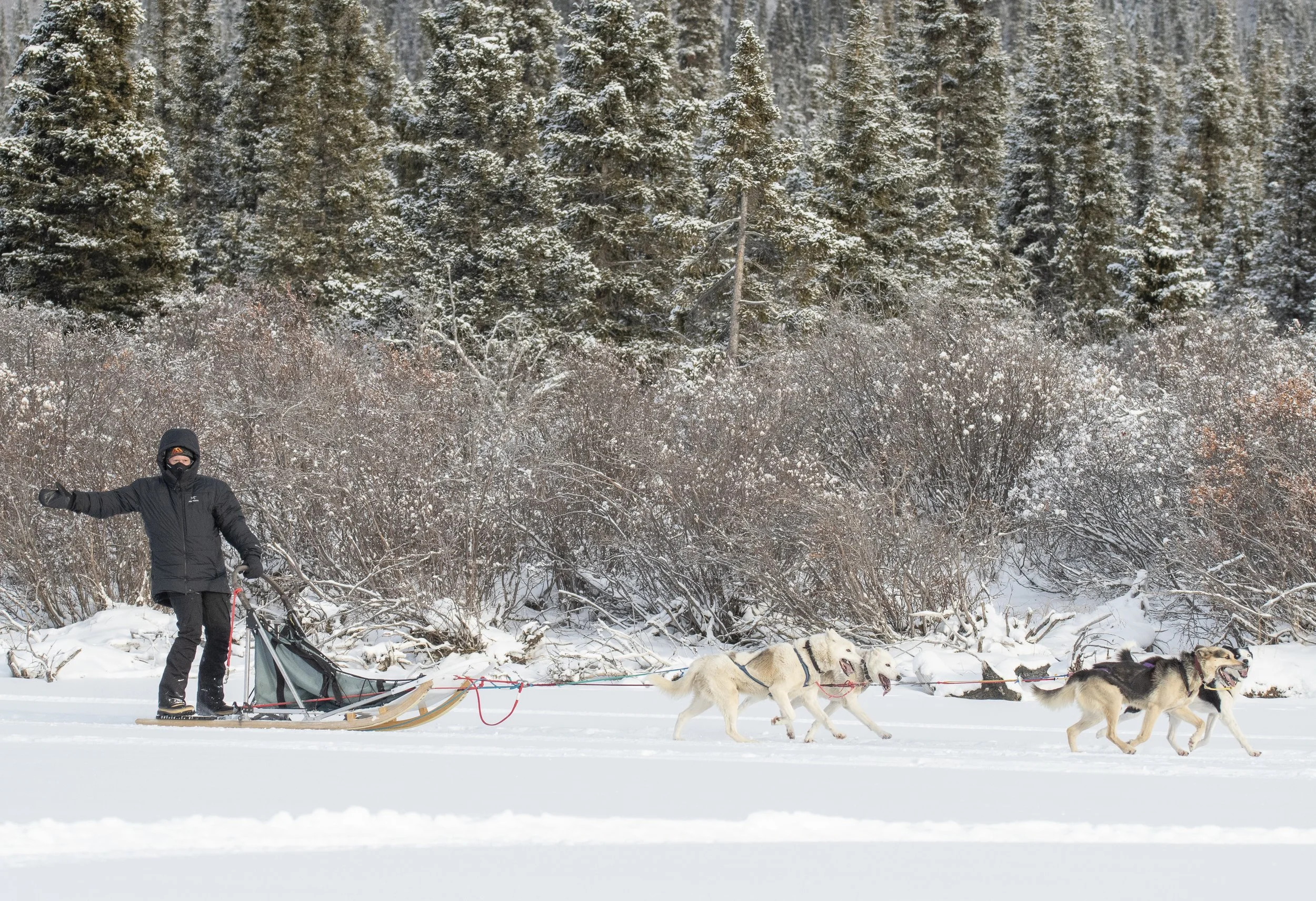
Hopefully, the cold-weather shooting tips in this blog will help you take better winter photos and keep your gear safe... and yes, even keep your tushy warm.
But before we dig into these tips, let me say, "Just get out there!!! Don't let the cold, snow, or ice stop you. It can add visual elements to your photography that make the difference between good and great photos."
Here Are My Top Ten Tips
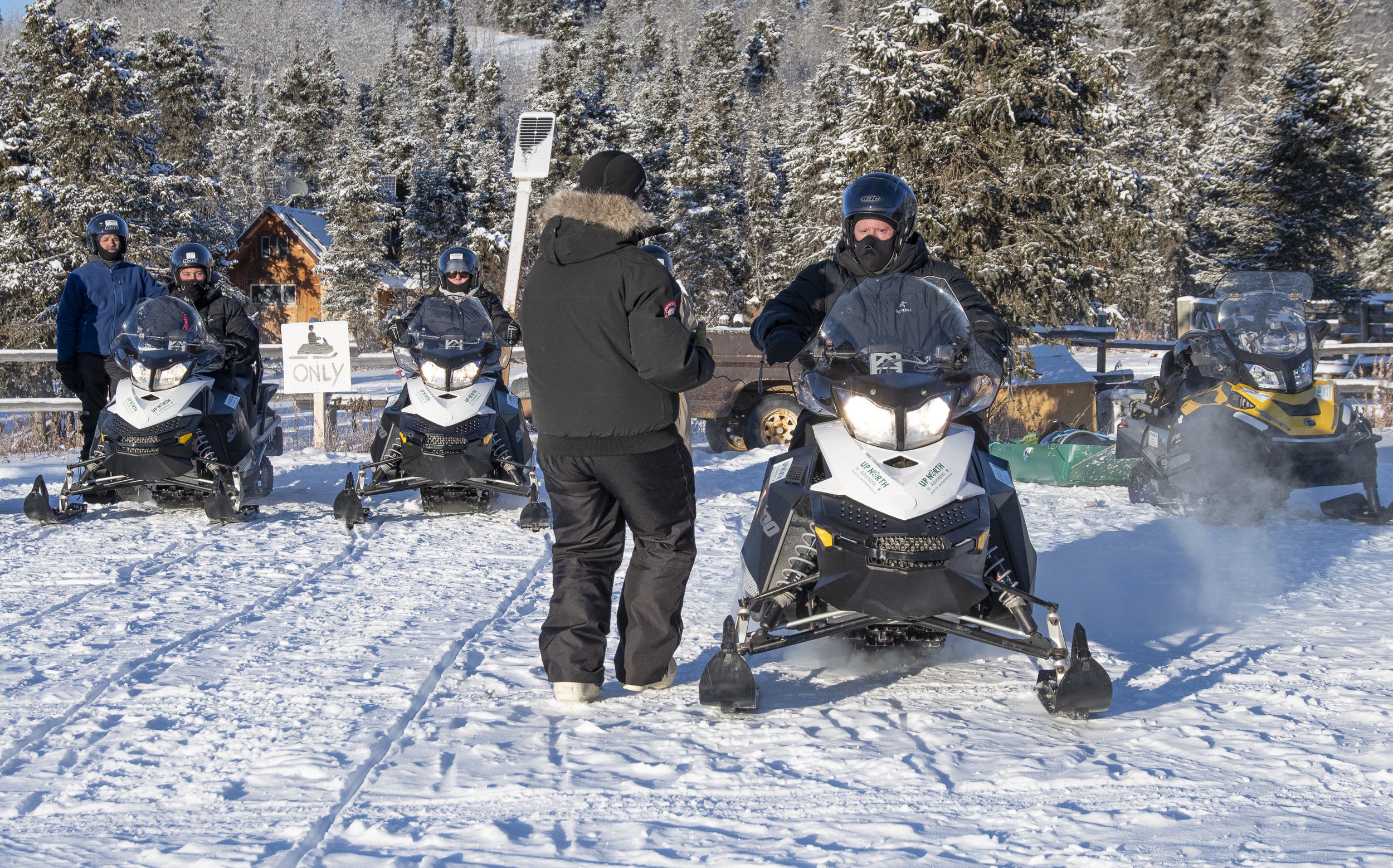
1- Bring extra batteries and keep them close to your body. Cold weather zaps batteries. If you have at least one extra battery, you can increase your shooting time by swapping batteries from time-to-time, taking one from the camera and putting it inside your shirt, etc., to keep it warm. Even a battery that says it's dead or nearly dead can come back to life if you warm it up.
2- Minimize changing lenses in winter weather. You don't want to get moisture or condensation inside your camera or your lens. I always prepare each attendee on my workshops for the appropriate lens to put on their camera in each situation to overcome this. I suggest you try not to change lenses in extreme cold temperatures.
3- Bring rain covers for your camera and lenses. Even if it's not raining, the snow is wet. If you're out in a snowing environment, snow can fall on your camera and get it wet. This is less important with some of the top-of-the-line pro bodies but something to consider in any event.
4- Dress in layers. Wear warm boots, socks, and undergarments. Wear thin layer gloves under heavier mitts that will break the wind, a hat that covers your ears, and a good, thick coat. Under the coat, wear a base layer to wick off the moisture from your body and a sweater. If it warms up you can take off a layer. Also, bring hand warmers and foot warmers in extreme weather. Wool works better than cotton.
5- Watch where you step. Black ice can bring you down quickly. A slip and fall can not only damage your camera but seriously hurt you.
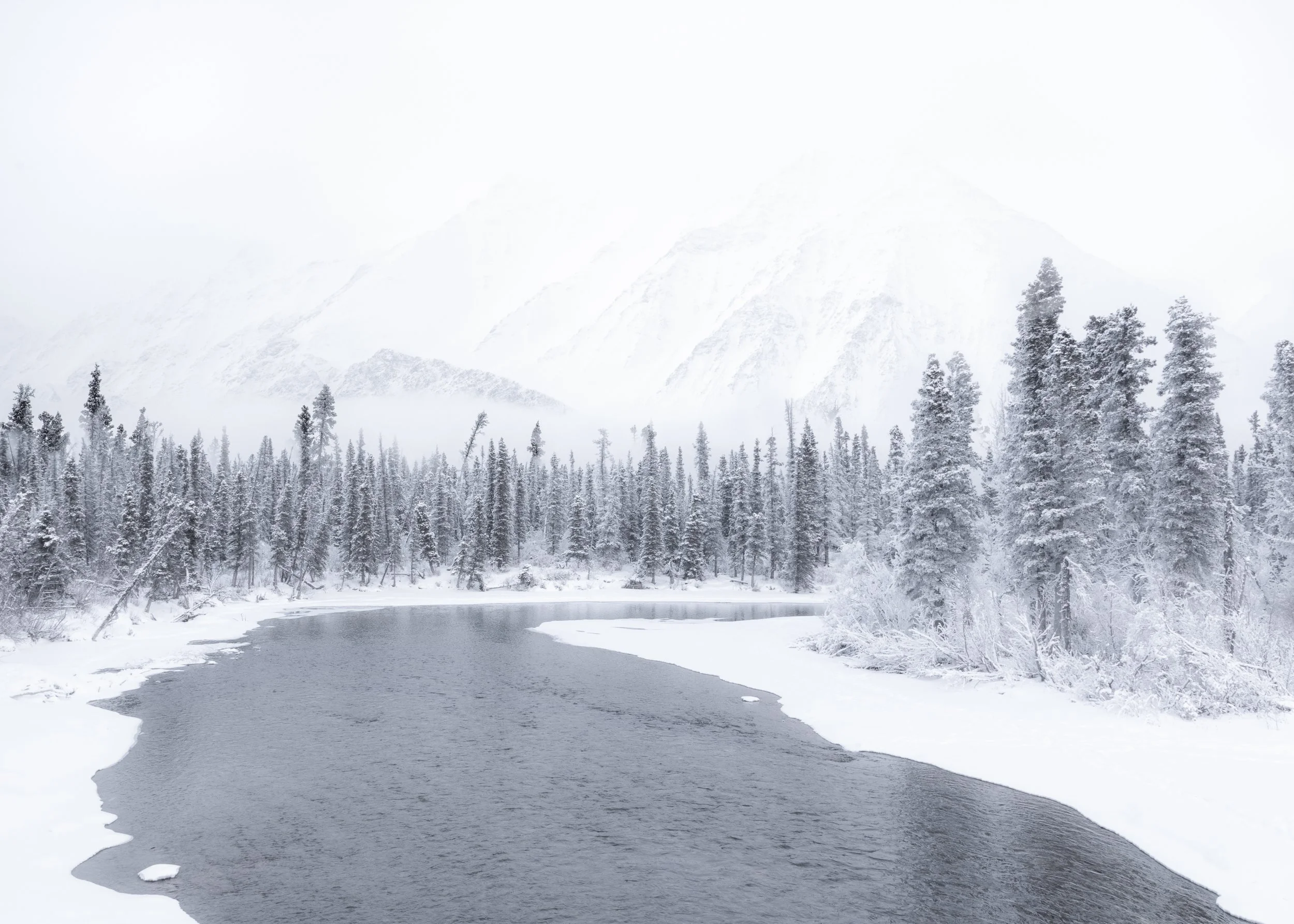
6- Use a camera strap. When your hands are cold, they have less dexterity and grip. It's easier for the camera to slip out of your hands when they are cold or wet. Don't chance dropping your camera.
7- Remember to breathe through your mouth when looking through the viewfinder... breathing through your nose will get condensation on the viewfinder and could cause problems by freezing up your LCD monitor.
8- When you come inside from being out of the cold, leave your camera for a couple of hours and let it assimilate to room temperature. You can take your memory card out, do not take photos for a couple of hours.
My suggestion was to take off your coat and wrap it inside out with the camera in the coat. The exterior of your coat will be as cold as the camera… this will allow the camera to adjust to the inside temperatures slowly.
9- Shoot to the right… you've all heard the term… One of the most challenging things in winter is achieving correct exposure. All camera metering systems are calibrated to base exposure on neutral tonality or neutral gray. White, snow-covered landscapes will most likely dominate your camera meter's exposure reading. To adjust correctly, I teach to adjust your exposure compensation from +1 on an overcast day to +2 on a bright sunny day. But be careful not to overexpose too much to avoid blowing out the highlights.
10- Last... and highly relevant to today as we photograph dog teams in a winter setting, "Don’t eat yellow snow. It's not nature's slushy!!!"